
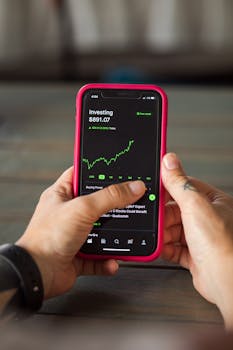
How to Start Investing with a Small Budget
Most people believe they need thousands of dollars to break into the investment world. In reality, you can start investing even if your budget seems tight.
Small sums may seem insignificant, but every step counts. Investing with less creates habits and confidence, building a financial foundation over time—something everyone can achieve.
Ready to explore actionable ways to start investing no matter your income? This guide covers practical techniques, real-life examples, and tips that truly work on any budget.
Break Down Barriers: Identify and Address Common Investment Fears
Tackling hesitation is the first real step for anyone wanting to start investing. Remove mental roadblocks, and you create instant space for new financial possibilities.
When you address your worries head-on—like fear of loss or not knowing where to begin—you’ll gain confidence to move forward, even with a small investment.
Recognize Emotional Triggers Before Putting in Money
Nervousness shows up as hesitance or procrastination. Take a cue from someone who says, “What if I lose it all?”—that signals it’s time to learn the facts.
No one expects you to have zero anxiety, but you can acknowledge your feelings and seek knowledge. Reading or talking to a trusted friend beats staying stuck.
If you notice yourself checking your bank app several times, translate that nervous energy into researching basic investment options for under $100.
Replace Perfectionism with Actionable Goals
Some new investors want to wait until conditions are “just right”—perfect savings, no debts, or knowing every investment term. This mindset can hold you back.
Instead, set a concrete micro-goal: invest $25 in a beginner-friendly fund by the end of the month. Progress feels tangible and motivates you to continue.
Every small step breaks down investment into achievable actions. Celebrate these wins even when they seem minor—they’re laying the groundwork for your future confidence.
| Barrier | How It Appears | Example Response | Takeaway Action |
|---|---|---|---|
| Fear of Loss | Hesitance to invest any money | Start small and learn basics | Invest $10 in a trusted platform |
| Lack of Knowledge | Procrastination or confusion | Read beginner guides | Watch a 5-minute explainer video today |
| Perfectionism | Waiting for perfect conditions | Set a micro-goal | Open an account with automated deposits |
| Fear of Fees | Reluctance to start | Research low-fee options | Compare fee structures this week |
| Feeling “Too Late” | Belief that investing requires youth | Know it’s never too late | Make a first investment this month |
Stretch Every Dollar: Leverage Micro-Investing and Fractional Shares
Achieving early success happens faster when you use tools designed for small budgets. Micro-investing platforms and fractional shares eliminate common entry barriers.
Anyone can start investing with as little as $1, thanks to modern tools that let you buy just a slice of a company’s stock or a fund.
Apps That Make Micro-Investing Accessible
Accessible investment apps let you automate deposits, round up spare change, or set up recurring transfers, even if you have limited free cash.
Picture yourself at a coffee shop: Instead of spending $5 daily, set your app to invest the same amount each week. It’s habit-building for your financial health.
- Open a micro-investing account to automate small deposits because automation ensures consistent investment even on low-income months.
- Take advantage of fractional shares to buy top-performing stocks, so you don’t miss growth because of a limited budget.
- Set up automatic round-ups from debit card purchases, building an investment habit without additional effort required each time.
- Start with exchange-traded funds (ETFs) for diversified exposure with minimal amounts, reducing risk for new investors.
- Stick to a consistent contribution schedule, fostering discipline and enabling you to compare progress month by month.
Instead of overthinking whether it’s enough, direct $10 weekly into an ETF and watch your knowledge and funds grow hand-in-hand.
Fractional Investing Breaks Down Price Barriers
Instead of saving up for months to buy a high-value stock, buy a $10 slice today—a micro-share provides a meaningful stake and full participation in gains and losses.
Fractional investing cultivates a growth mindset because growth starts with the action of owning, not just watching. Portfolio diversity arrives sooner, even if funds are limited.
- Begin with popular, stable stocks via fractional shares to spread risk and experience investment gains—even when the entry price seems out of reach.
- Automate purchases of fractional shares weekly instead of “saving up”—this way, you build momentum and benefit from market fluctuations, smoothing out costs over time.
- Set a calendar reminder for investing, so building wealth receives the same priority as paying a bill—there’s no need for sporadic, high-stakes decisions.
- Regularly review your fractional shares, tracking performance to spot patterns and celebrate progress, creating motivation for your next investment step.
- Share your micro-investing journey with a trusted friend, increasing accountability and keeping financial goals front of mind through discussion and feedback.
Stick to your plan and remember that consistency—no matter the dollar amount—moves your portfolio forward, turning tiny decisions into visible long-term growth.
Channel Spare Cash: Turn Small Savings Into Investments
Making every spare dollar count turns otherwise idle money into seeds for future financial growth. By spotting unclaimed cash in your budget, you accelerate your ability to start investing.
Use a practical checklist each month to uncover at least $25 for investment without affecting daily comfort or important savings goals.
Monthly Spending Audit Process
Commit to reviewing your last month’s purchases on a set calendar day—mark the last Sunday of each month for a brief audit session.
Scan line by line for recurring charges, impulse buys, or less-used subscriptions. Cancel or pause one, then direct those freed funds straight into your starter investment account.
Apply the “coffee rule” analogy—each skipped luxury goes straight toward your goal. Replacing just one treat translates into an immediate deposit toward your investment journey.
Couch Change Challenge for Immediate Wins
Grab every loose coin or forgotten cash in pockets, coin jars, or purses at week’s end. Transfer the total—no matter how small—to your chosen investment platform that day.
The amount may feel trivial, but the practice transforms overlooked resources into visible progress. After four weeks, review your habit and celebrate your accumulating returns.
Diversify the process by making it a recurring group effort at home. Challenge housemates or family to collect and deposit change together, building team momentum.
Sustain the Habit: Build Consistency with Automated Investing
Setting up “set-it-and-forget-it” investing routines removes willpower from the equation and puts your progress on autopilot. Consistency, even with small contributions, leads to surprising compounding effects over time.
Automated transfers make it possible to start investing without repeated decision fatigue, supporting effortless positive behavior changes that support long-term goals.
Make Recurring Deposits Low-Stress and Effective
Link your checking account to your investment platform and schedule a recurring transfer. Consider a bi-weekly deposit if you’re paid every other Friday.
Start at a comfort level, maybe $15 every pay period—enough to stretch yourself but not so much it creates anxiety or shortfalls. Adjust upward as confidence and cash flow grow.
Each quarter, increase your automated amount by a few dollars per check. This incremental growth assures you’ll steadily scale your investments as your budget improves.
Create Visual Progress Trackers to Stay Motivated
Set up a custom spreadsheet or choose an app that shows your balance over time. Post your goal somewhere visible, like a sticky note on your desk or fridge.
Each month, log your investment and celebrate a “win streak” every time your auto-transfer goes out successfully. Visual cues translate invisible habits into daily motivation.
Consider sharing milestone moments on social media or directly with a financial accountability partner, turning good results into encouraging feedback and gamifying your progress.
Expand Knowledge Strategically: Learn Investment Basics in Short Sprints
Every first-time investor builds confidence and results by dedicating just a few minutes weekly to learning. Focused, bite-sized education lets you start investing smarter—without feeling overwhelmed.
Structured mini-sessions prevent confusion, giving you immediate lessons you can use to improve or expand your investment plan right away.
Choose a 10-Minute Weekly Learning Goal
Allocate a regular time—like Sunday morning coffee—for a brief video, article, or tutorial. Stick to one simple outcome, such as “what is a mutual fund” or “how risk is measured.”
Apply what you learn by tweaking your portfolio that week. If a lesson covers diversification, consider adding a new type of security to your account right away.
Reflect on the new action in writing or with a friend. This immediate feedback loop deepens retention and makes investing knowledge practical, not theoretical.
Prioritize Actionable Learning Over Passive Reading
Choose beginner-friendly resources that require action—interactive quizzes, portfolio simulators, or sign-up incentives tie learning to concrete activity in real accounts.
Skip lengthy industry white papers. Instead, find clear guides or short podcasts that end with a “do this now” task you apply before next week’s session.
By focusing on actions—opening an account, comparing fees, buying a first share—you create a foundation you can build on with real-world success, not just abstract knowledge.
Track Progress: Measure Returns, Adjust When Needed, and Celebrate Wins
Clear tracking transforms investing from a guessing game into a results-driven habit. Regularly reviewing progress helps you start investing smarter and react sensibly to market changes.
Stay focused on your objectives—whether it’s building a $500 portfolio or hitting $1,000 in total contributions—and adjust based on results, not market noise.
Monthly Review Rituals for Accountability
Dedicate an hour at the start of every month to review statements, performance charts, and contributions. Compare numbers and reflect on what’s working—or where to tweak your strategy.
If you missed a deposit, troubleshoot what happened and set reminders or adjust timing. Celebrate milestones with a treat or share the news with someone supportive who values your effort.
Document outcomes in a simple investment journal, noting returns, changes, or upgrades. Seeing your journey laid out strengthens your sense of progress and purpose.
Celebrate Small Victories to Stay Motivated
Each completed deposit, no matter the size, gets a small reward—like indulging in your favorite snack or an extra break. Acknowledge the behavior, not just the outcome.
As your portfolio grows by $50, $100, then $250, take photos or screenshots for a visual timeline. Tangible reminders transform numbers into a story you’re proud to review often.
Invite a friend to celebrate milestones with you, reinforcing that steady progress beats trying to “time the market” or waiting to start investing until you have more funds.
Reframe Setbacks: Respond to Challenges with Adaptable Strategies
Resilience is essential for investors. Prepare to adjust and experiment so temporary obstacles never prevent you from continuing to start investing—even when life gets busy or markets shift.
If an unexpected expense means skipping a deposit, ease guilt by making a double contribution during your next flush month. Flexibility is your strength, not a weakness.
- Pause automatic transfers rather than canceling—reactivate when possible so you preserve your investment plan through rocky times.
- Create a “rainy day” category in your budget for surprise events, which lets you protect core investments from withdrawals when emergencies hit.
- Use financial setbacks as learning opportunities by reviewing what caused them and planning a smart response—writing a new micro-goal if necessary.
- Reward adaptation, not just achievement: if you change your method or timeline, document why and celebrate creative solutions, not just perfect results.
- Network with others on similar journeys—sharing frustration and solutions motivates everyone to keep moving forward together, even when the path isn’t linear.
Every pivot made with conscious intent becomes a stepping stone, not a failure. Stay open, and keep experimenting until your investment habits feel natural and sustainable.
Build Real Wealth: Establish a Lasting Investment Mindset
Start investing with a small budget by committing to consistency, ongoing learning, and adaptive strategies. These habits create a powerful platform for lifelong financial growth.
Even small actions compound into major achievements over the years. Your steady contributions and mindful adjustments lay the groundwork for significant returns down the road.
Embrace imperfect starts and persistent progress as your new normal. Every positive choice moves you closer to the freedom and security long-term investing provides.